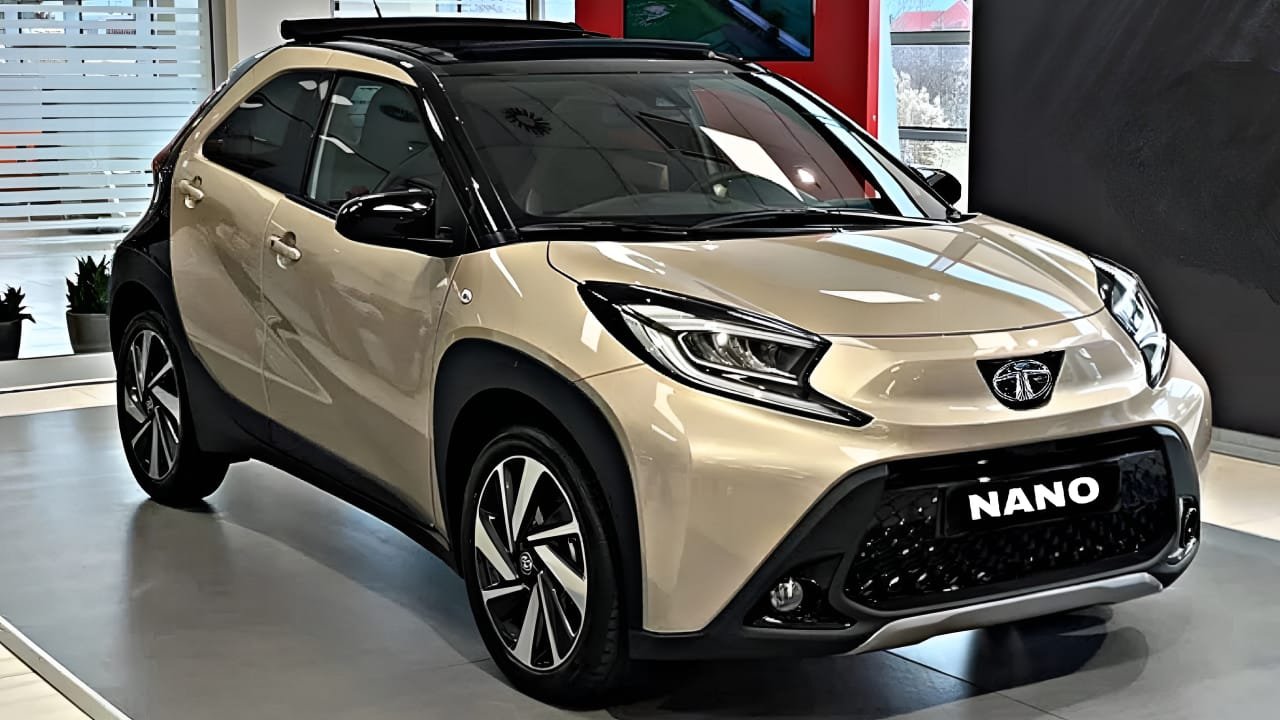
The Tata Nano is one of the most iconic cars in India’s automobile history. Launched in 2008, it became famous as the world’s cheapest car. The vision behind the Nano was to give middle-class Indian families a safer and more comfortable option than two-wheelers. Ratan Tata dreamed of creating a car that almost anyone could afford, and thus the Tata Nano came to life.
Birth of the Tata Nano
Tata Motors shocked the world when it introduced the Nano at a price of around one lakh rupees. The goal was simple—provide an affordable and reliable car for families. This idea made global headlines and displayed India’s engineering capabilities. The Nano became a symbol of innovation, creativity, and smart cost-cutting.
Design and Features
The Tata Nano was designed to be compact yet surprisingly spacious. Despite its small size, it could comfortably seat four people. Some major features included:
- A 624cc rear engine
- Great fuel efficiency
- Lightweight body
- Easy handling for city roads
The car was perfect for daily commuting and navigating through busy Indian streets. The rear engine design was unique and helped reduce manufacturing costs. Overall, the Nano offered value far beyond its price.
Challenges Faced by the Nano
Although the Nano started strong, it soon faced multiple challenges. One big issue was its image. People began calling it the “cheap car,” which affected its popularity. In India, many buyers prefer cars that reflect social status, and unfortunately, the Nano was seen as too basic by some.
There were also a few early reports of technical issues, which created doubt in the minds of customers. Marketing struggles further made it difficult for the Nano to grow. Slowly, sales declined, and in 2018, Tata Motors discontinued production.
Impact and Legacy
Even though it didn’t achieve long-term success, the Tata Nano left a powerful impact on the automobile industry. It proved that Indian companies have the ability to innovate and challenge global norms. The Nano became a case study in engineering colleges and business schools around the world.
Its legacy includes:
- Inspiring low-cost engineering
- Bringing global attention to Indian innovation
- Showing the possibilities of affordable mobility
The Tata Nano may no longer be on the roads, but it remains a bold and inspiring example of what visionary thinking can achieve.